Your Backyard Is Exotic Enough
Long-term documentary photography projects in the neighbourhood.
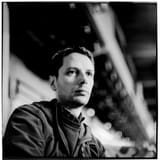
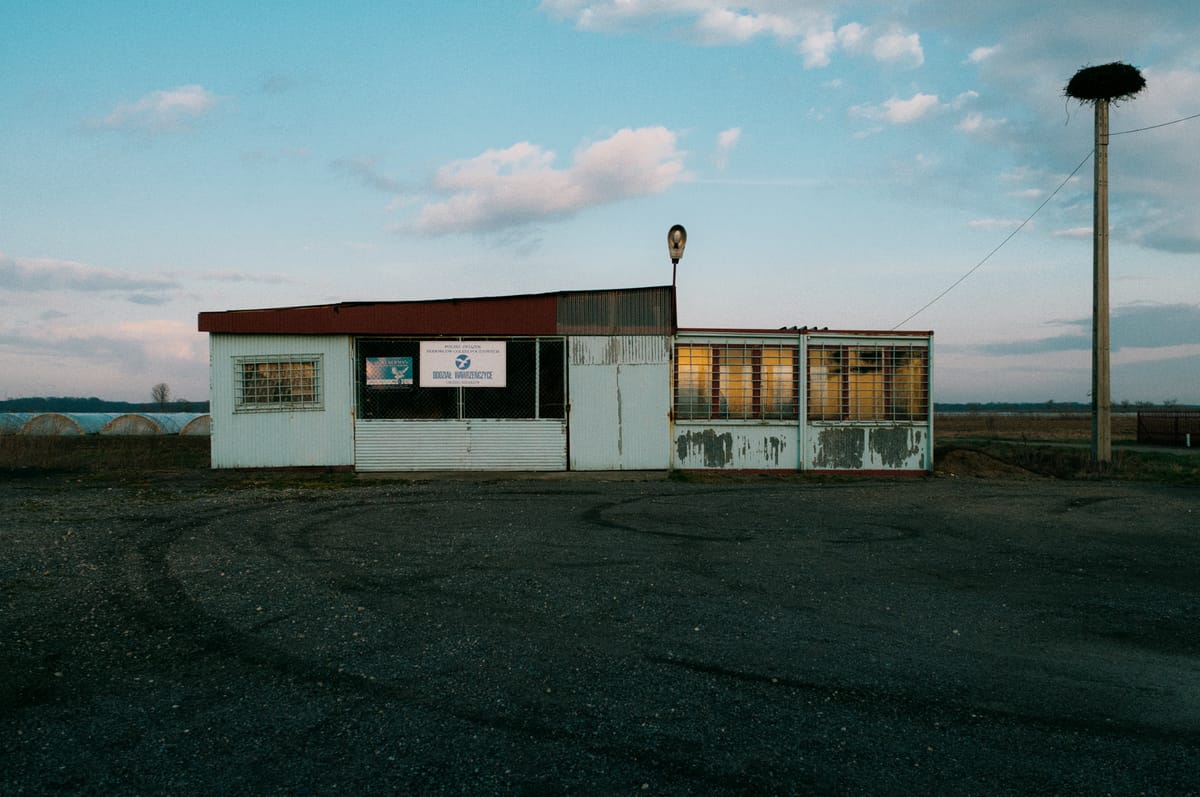
In memory of Janusz Siciarz
When I was growing up in the early nineties in the post-communist Poland, the country had just opened its gates to the west. We were flooded by the western media and pop-culture. One of the things brought by the wind of change was the Polish edition of the National Geographic Magazine. I was a subscriber back then, and every month I could not wait to receive the new issue fresh off the press.
It was the NatGeo that instilled the love of photography in me. The amazing pictures made by renowned photographers, the rich colours, the exotic locations, the obscure rituals and customs worked the imagination of that boy in his early teens. I wanted to become a photographer, a storyteller. I wanted to explain the world with photography, to travel to the remotest regions of Earth and record these amazing events, cultures, and locations.
Fast forward three decades, I never made a career in photography (duh), I am still but an enthusiast, and it took me many years to realise that apart from planting that love of photography seed, NatGeo was also responsible for the main fallacy in my thinking about photography and storytelling. I call it the exotic syndrome, and I believe many of you, my fellow photographers, may suffer from it as well.
The Grass Is Always Greener on the Other Side
For years I was drawn to photographs and stories about the obscure. I would be super interested in photo essays about remote cultures (there’s nothing wrong with that, let’s make that clear), but I would walk past the photos of things I knew; local customs that I’ve seen a myriad of times were of little interest to me. I believed that to make great photography, I needed to go to the other side of the world, because the interesting stuff was happening there, and the boring stuff was at home.
I could not be more wrong. At some point I realised that this was the source of all my struggles in photography. I was never happy with my photos, because they were not of these exotic things I always longed for. My main fallacy was that I photographed as if my perspective was the only perspective there was. It wasn’t until it occurred to me that maybe the “boring” stuff I could photograph locally, would actually be the “exotic” stuff for someone from elsewhere.
This revelation changed everything in my photography. I started looking for things to photograph at home and did a couple of long-term projects that I was finally happy with. Further change came when my family moved out of town to a rural area. I was astonished how different the life of the local people was. I may have moved only a couple of miles, but it felt like a different planet. Everything was seemingly the same, but was very different.
Open Your Eyes and Embrace the Local
The countryside revealed itself as a source of many interesting projects. Once I learned to embrace the everyday and started looking for things to photograph I was flooded with photo opportunities. Also, there were no other photographers there, so even if what I was doing was not mind-blowing and original, the value was in documenting things no one else did.
One of such projects, that took me several months to complete, came about when I asked my usually silent neighbour Janusz about the birds flocking on the roof of his barn. It was one of those moments when your seemingly innocent question accidentally unlocks a hard-core enthusiast, and you are overwhelmed with the response.
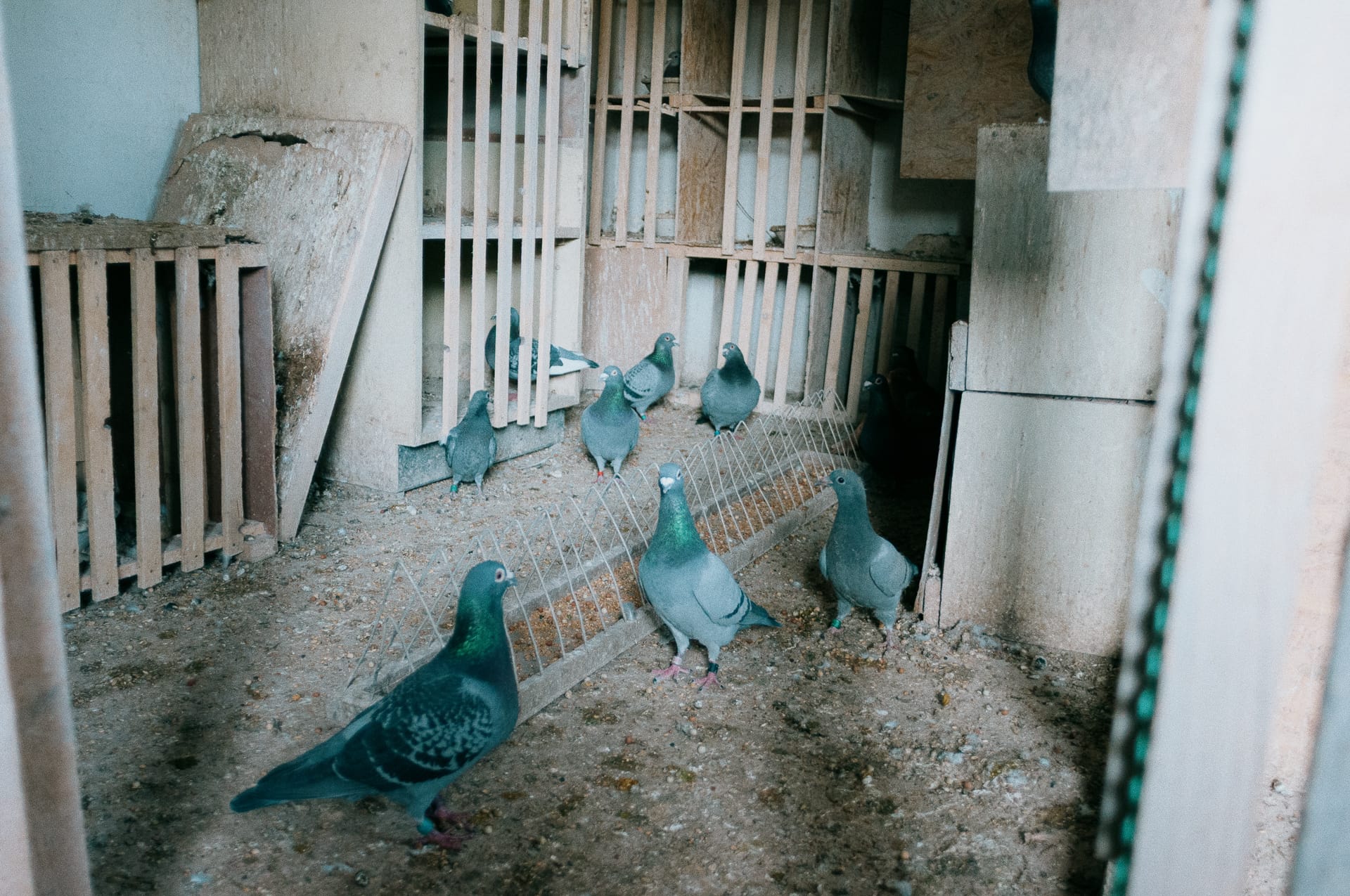
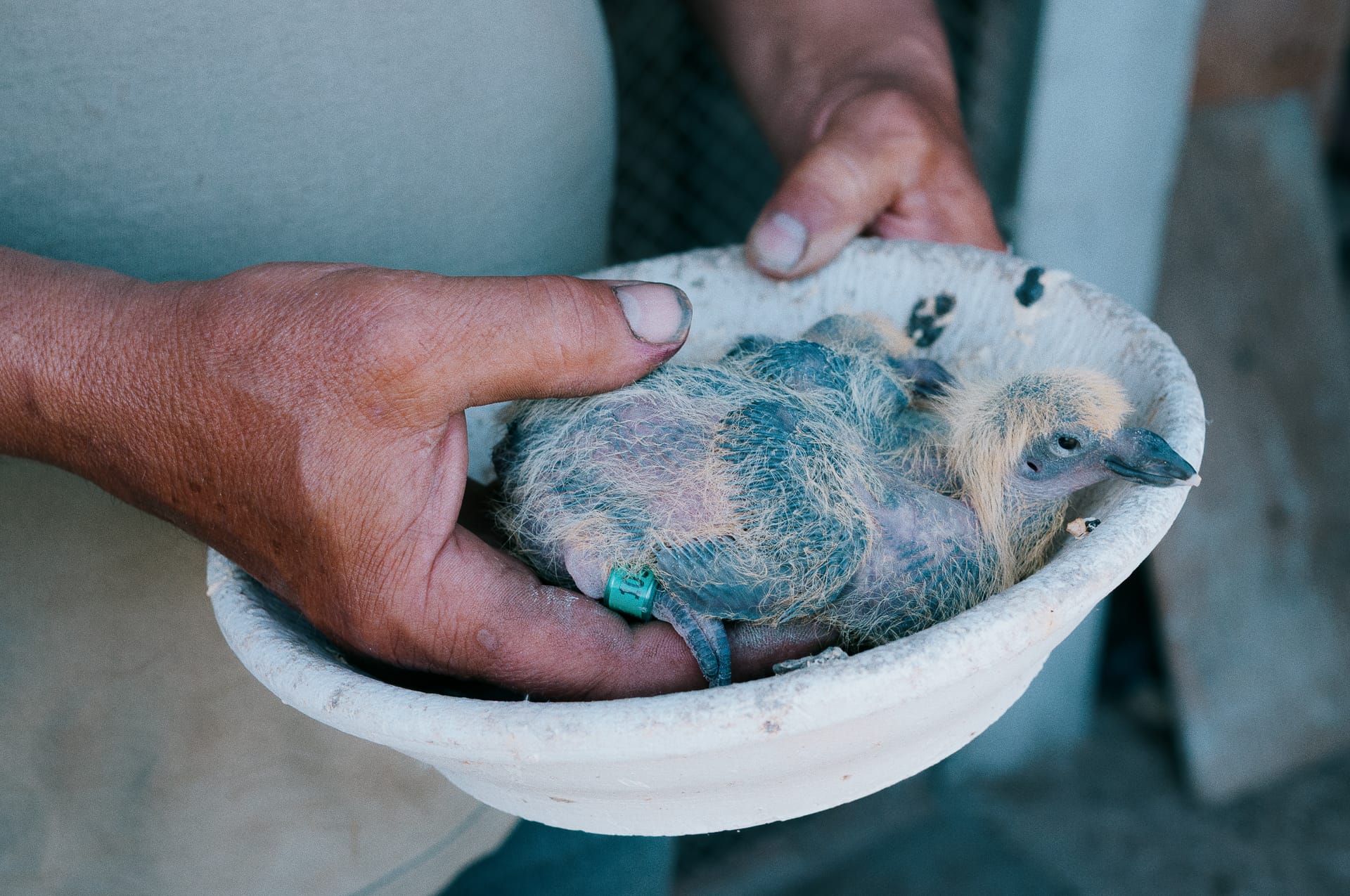
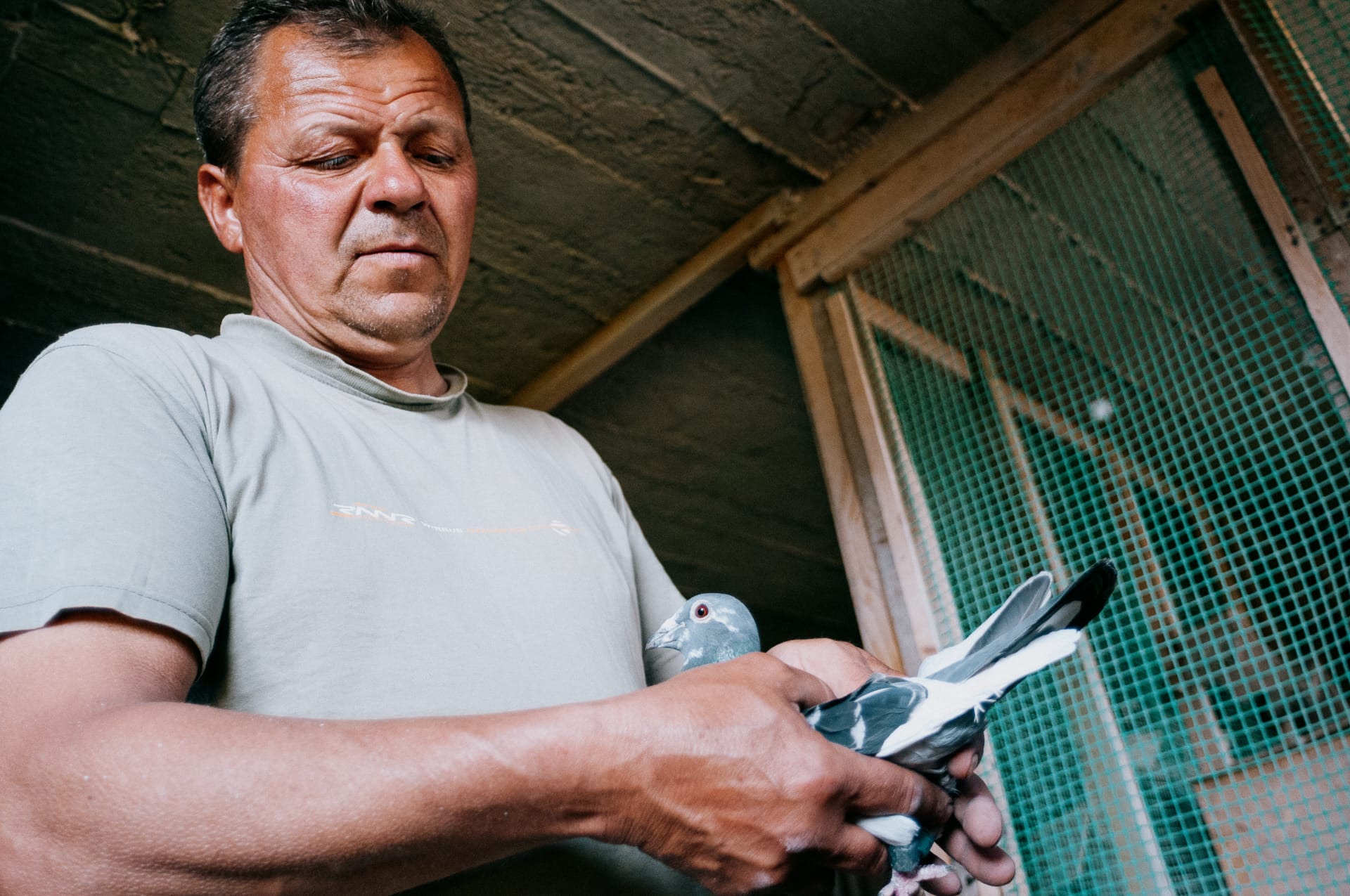
Janusz was apparently a breeder of homing pigeons, and was 100% ready to share his enthusiasm and knowledge to anyone who would listen. I thought this may be an interesting thing to photograph, so I followed suit. Little did I know that this would be one of the most fun and rewarding projects I ever did.
Dig Deeper
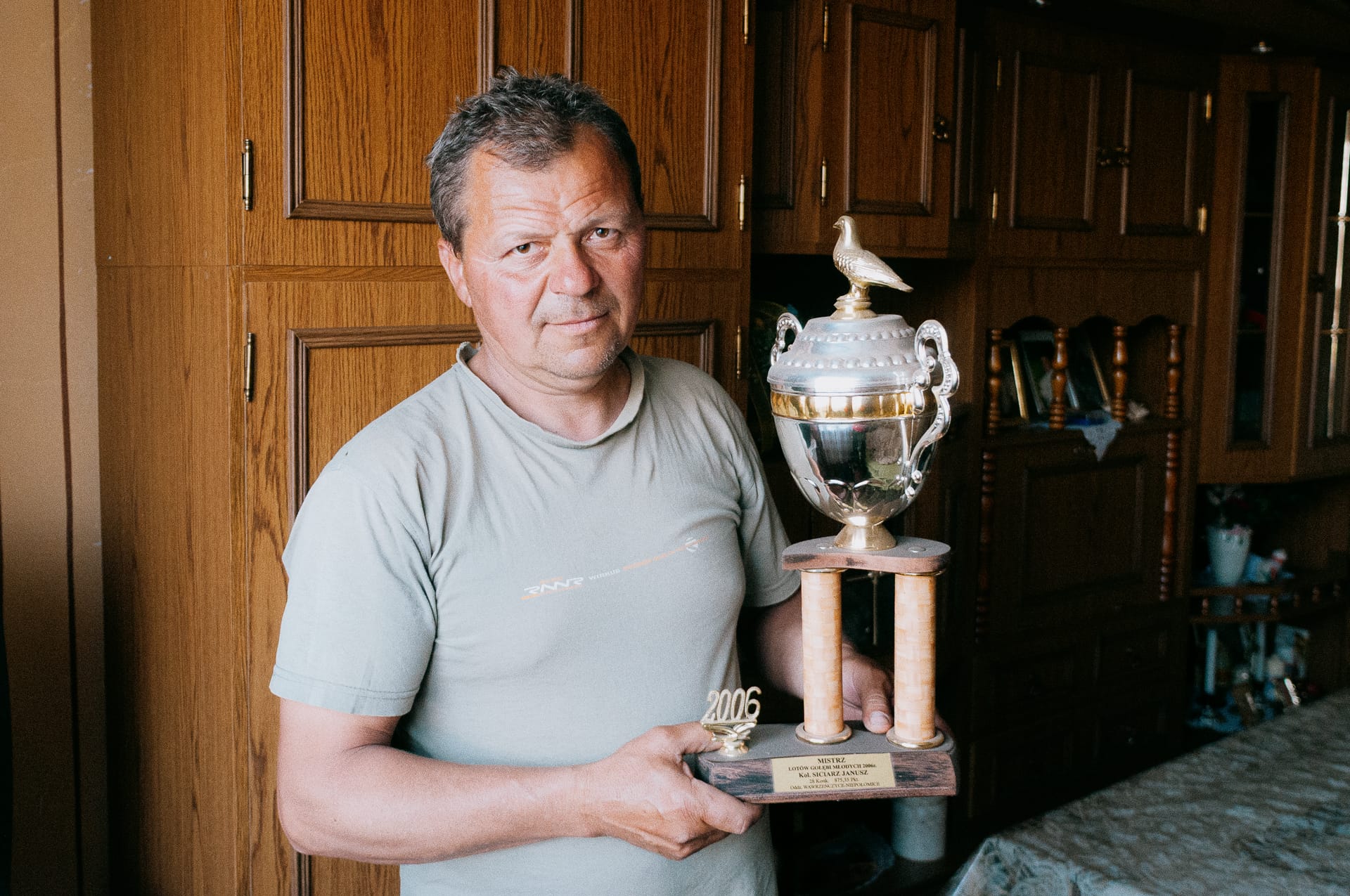
Once I was friends with Janusz, he showed me his pigeon-cote and many awards he has won in pigeon races. My curiosity was growing.
One day, Janusz came to ask if I wanted to see the pigeons being released for a race. Previously, he told me that his birds would race for hundreds of kilometres, so I assumed it was impossible to actually see them being released. Luckily, as a member of the homing pigeons association, he was responsible for supervising the race launches for birds that were brought from elsewhere.
Next Sunday at dawn, I could witness a real spectacle, when hundreds of birds were released to race home at a nearby airfield.
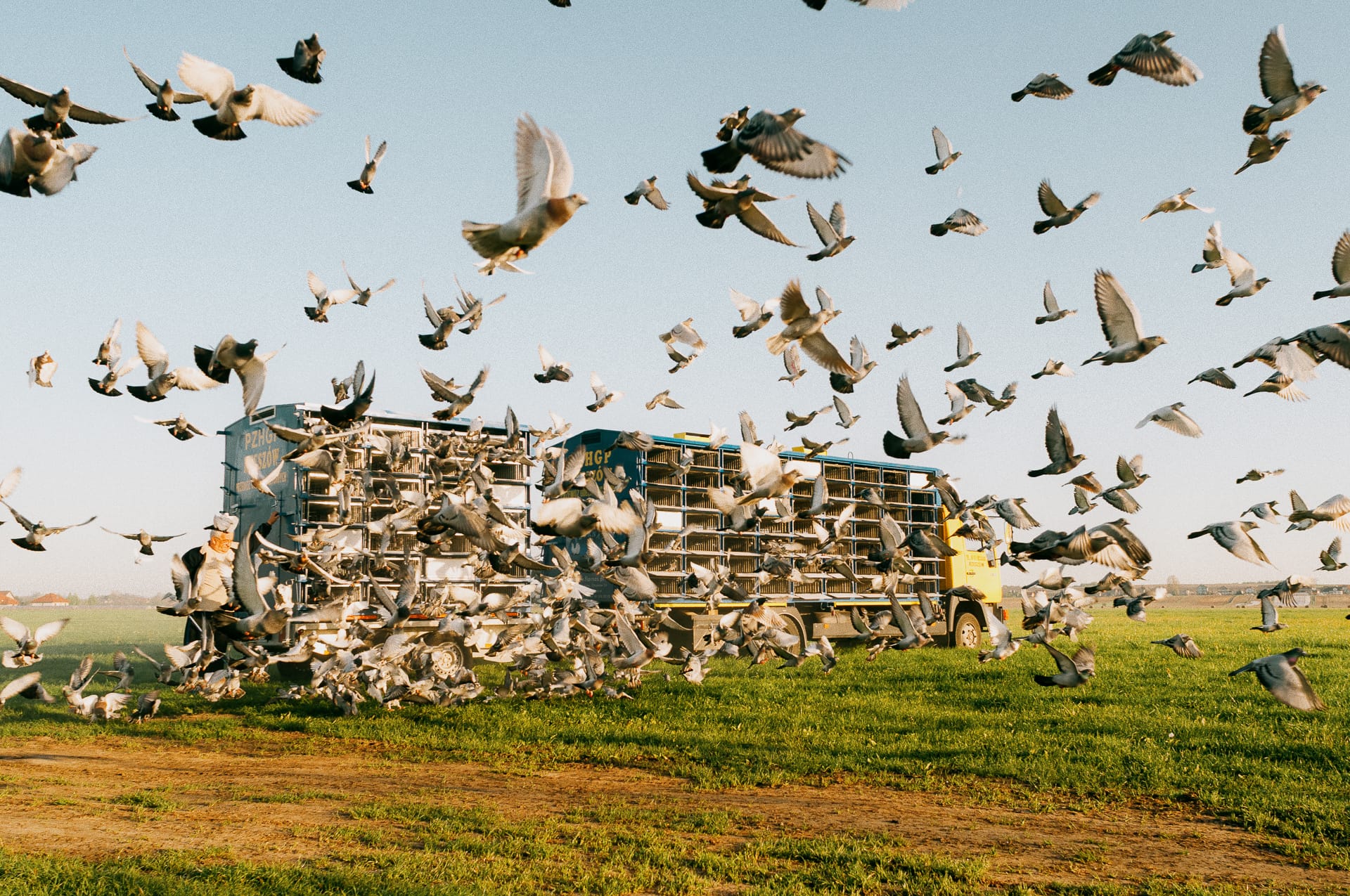
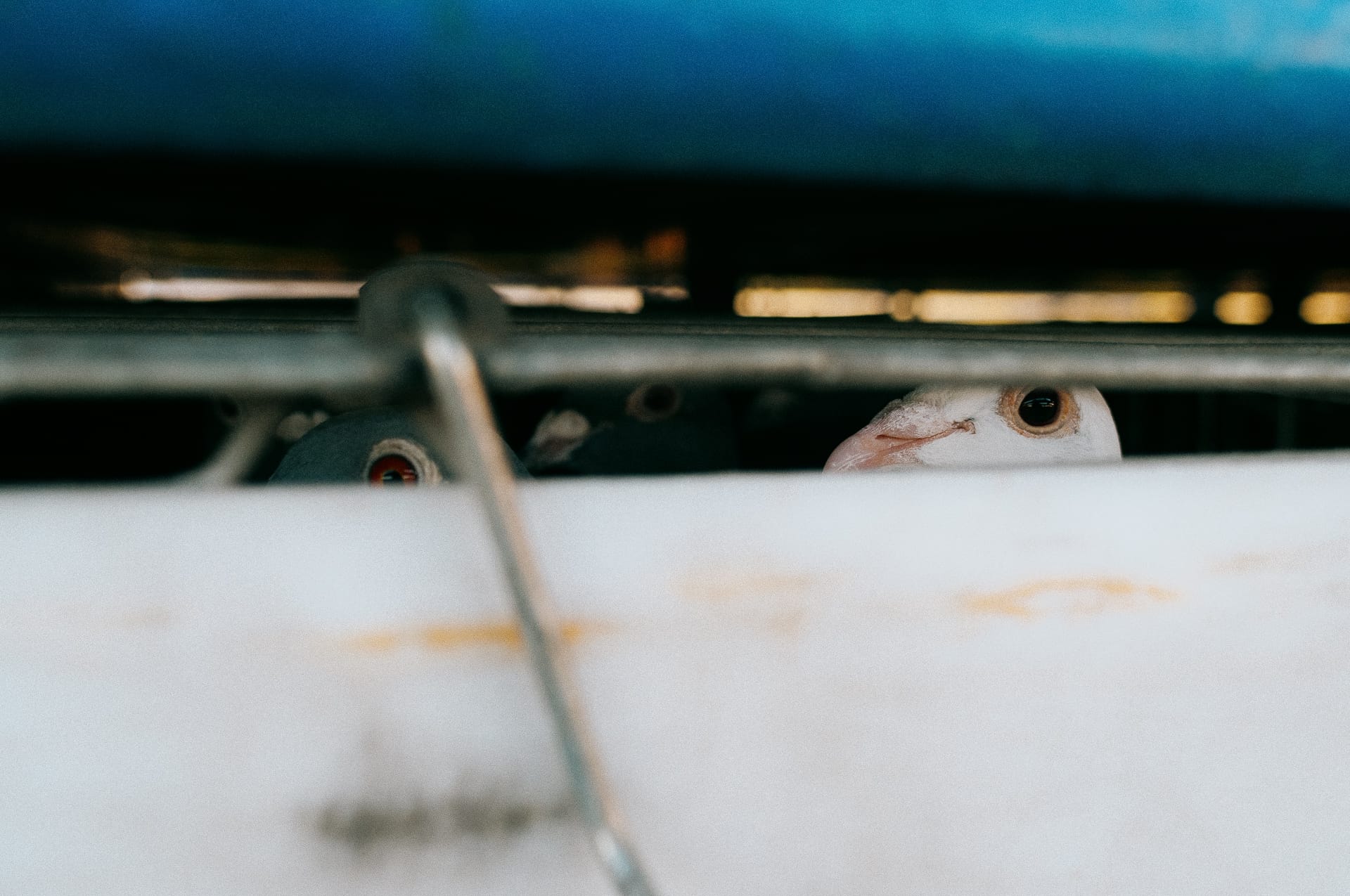
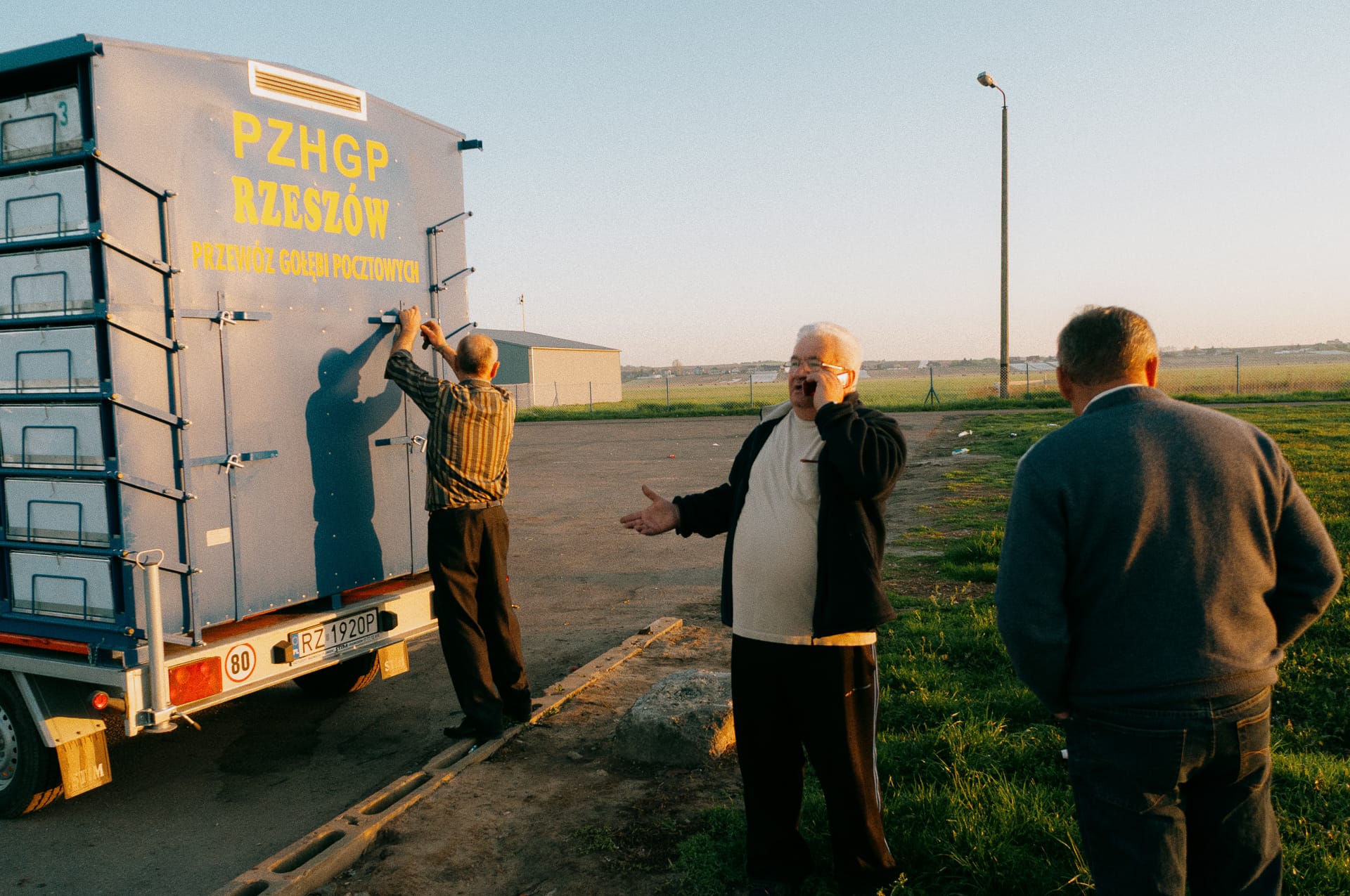
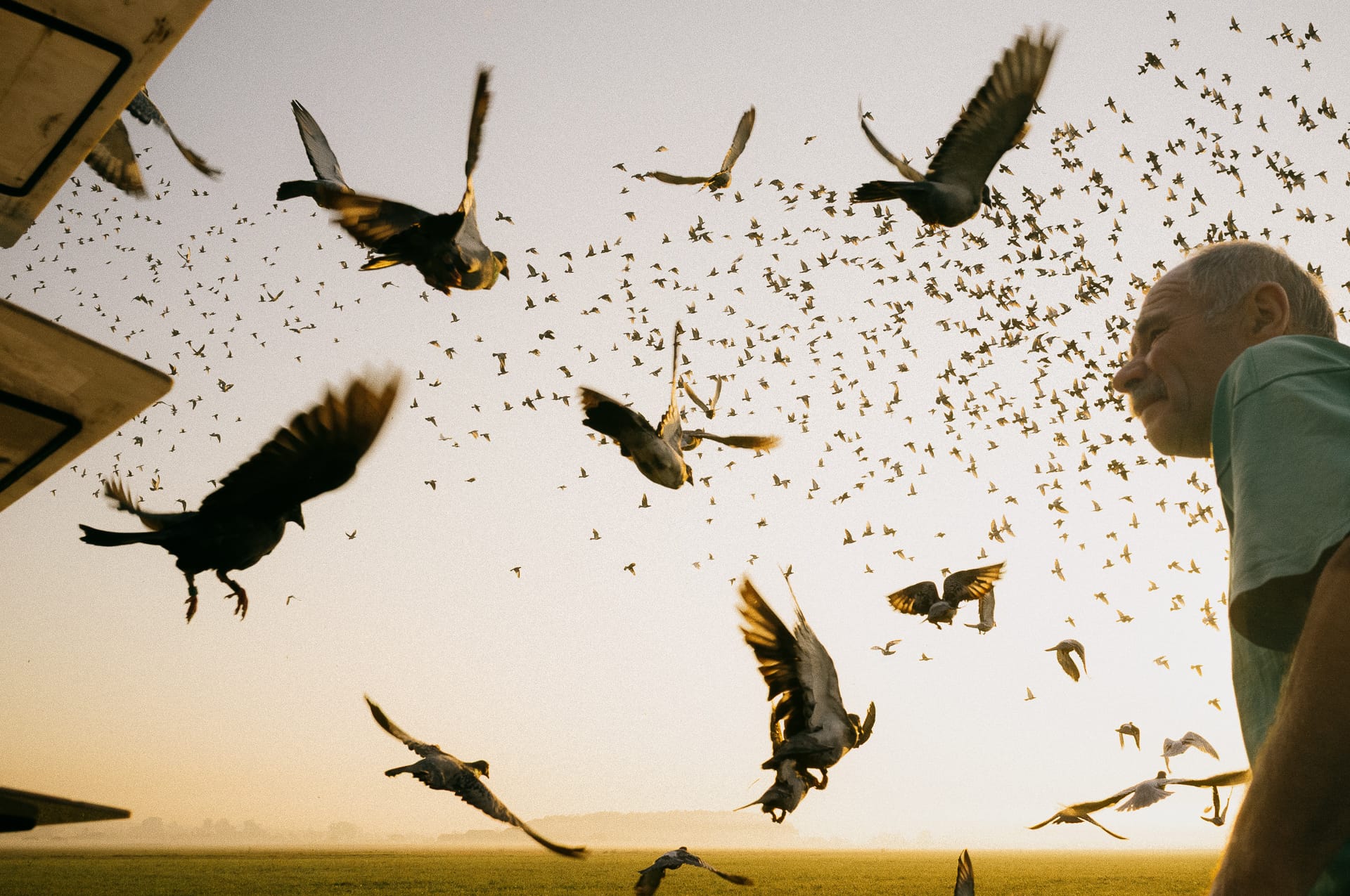
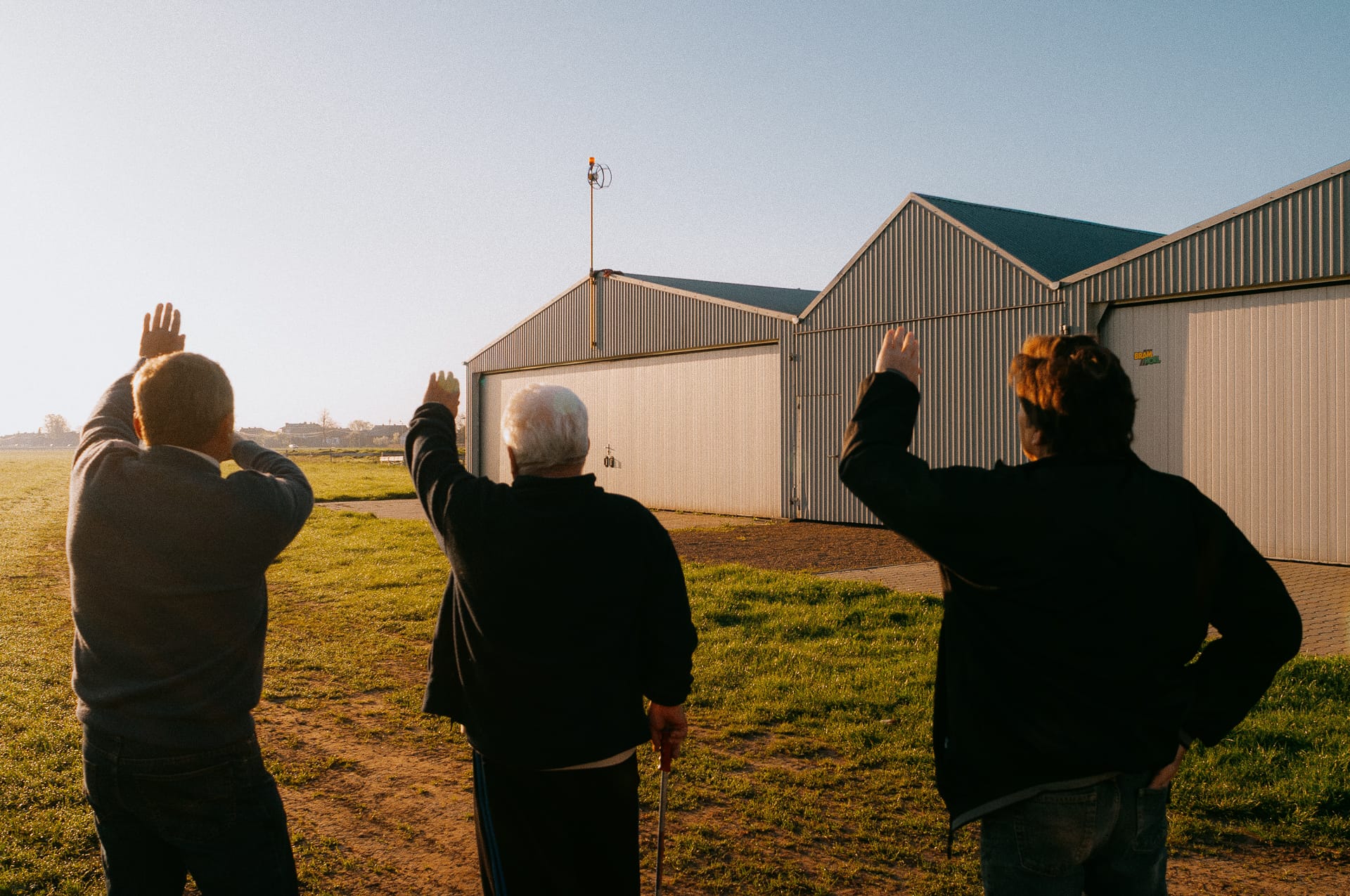
It all happens in just a few seconds, so you have to be ready with your camera. Luckily, this was not the only launch that happened there, and I accompanied Janusz several times to get the best photos I could.
Know Your Community
As I was learning more about the hobby, I realised Janusz was not the only breeder around. I started noticing flocks of pigeons on barns all around the neighbourhood. I wanted to meet the rest.
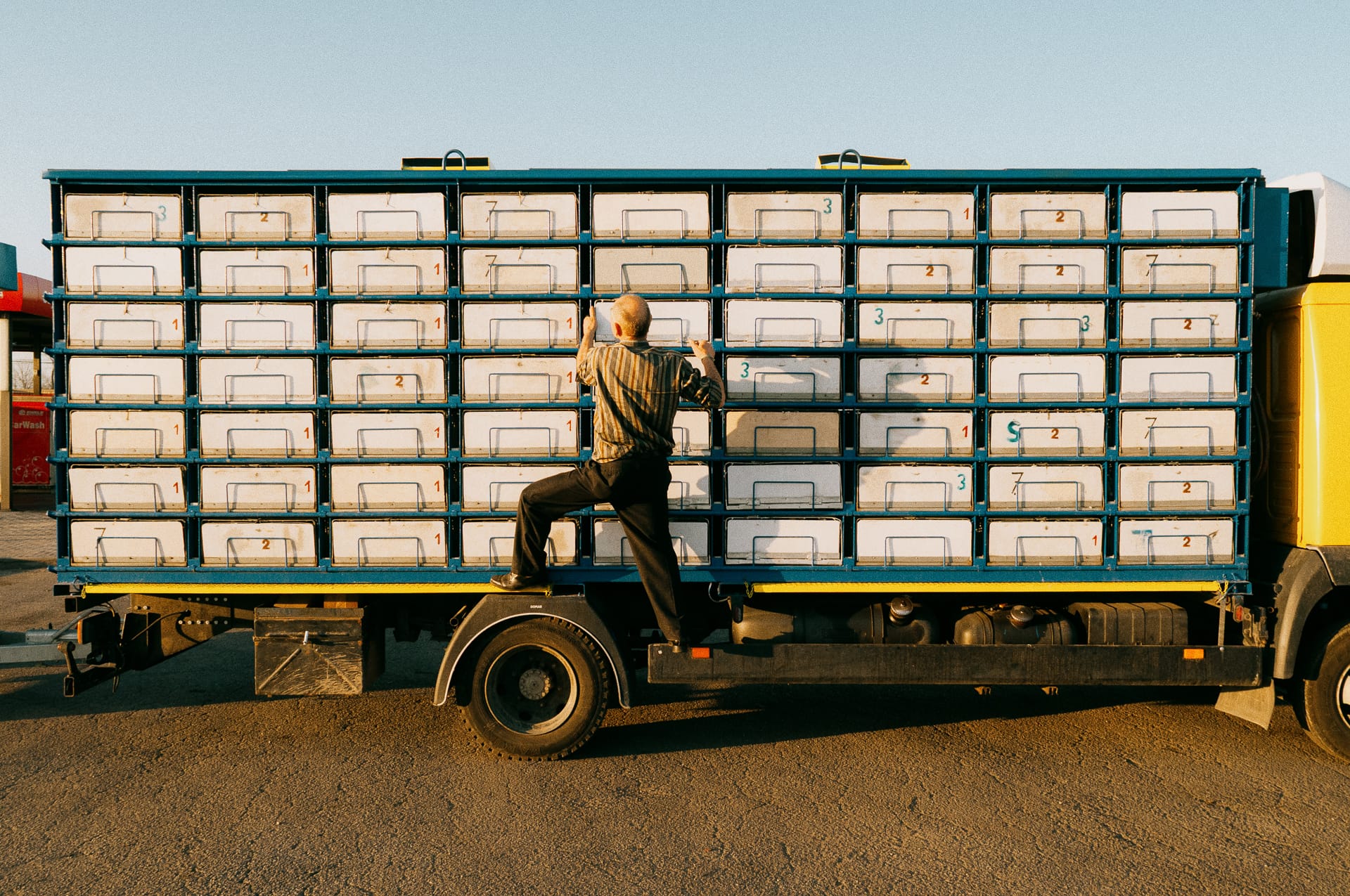
One Saturday evening, I went with Janusz to load his pigeons on a truck, to be released next morning several hundred kilometres away. When we arrived, everybody was there with their pigeons. Suddenly, I got to meet all this men that I actually knew in passing, but had no idea they were breeding homing pigeons.
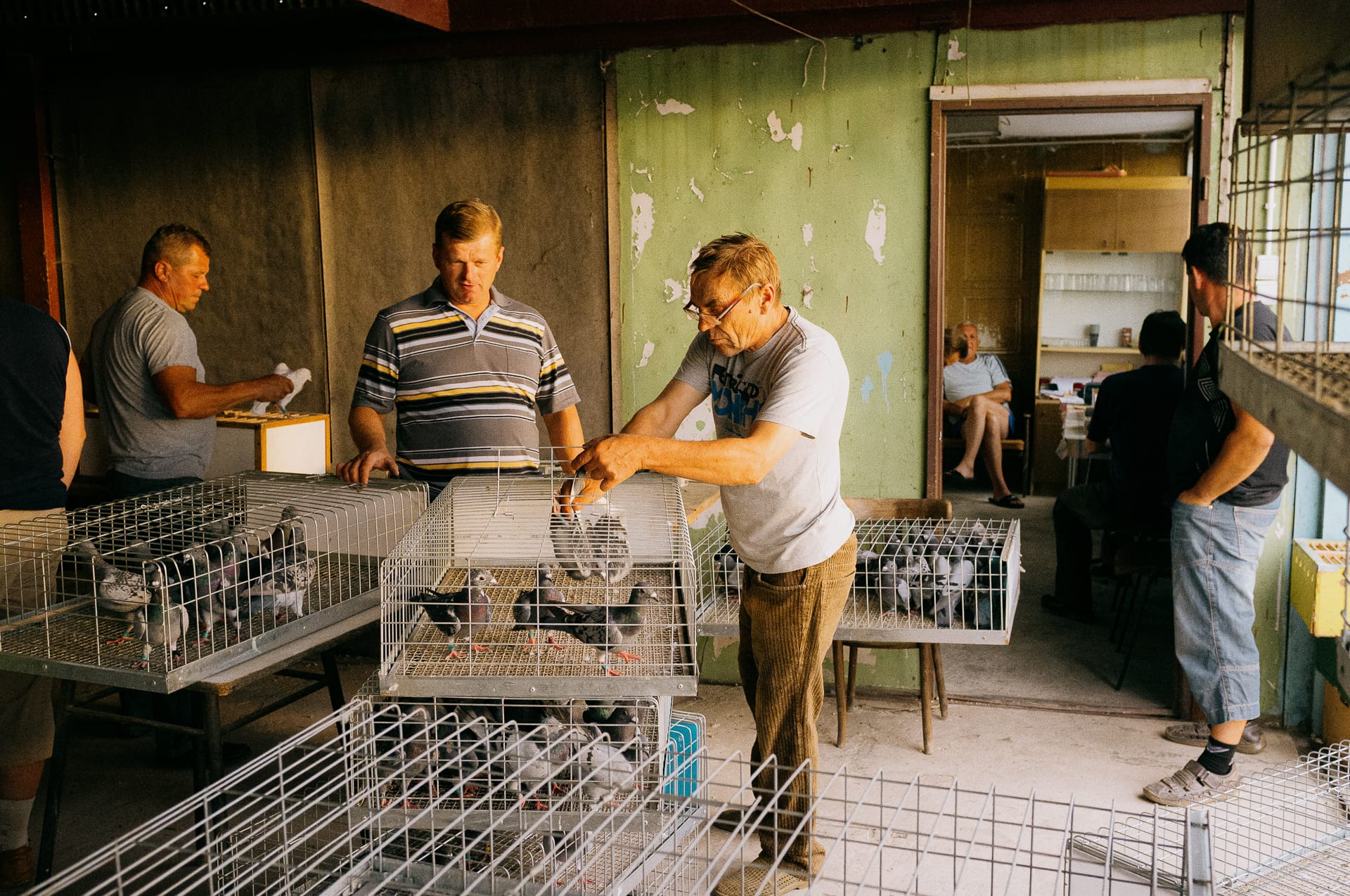
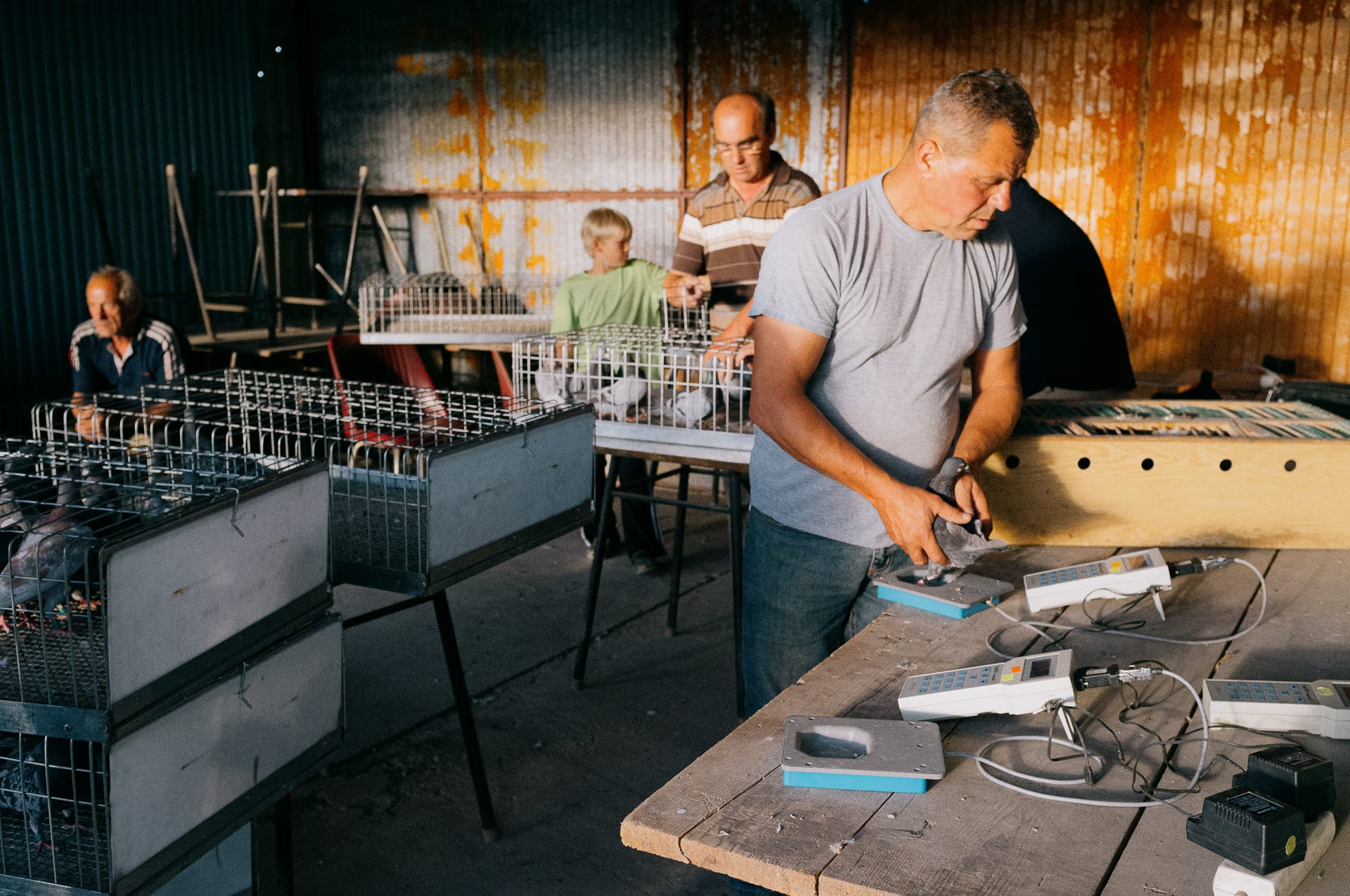
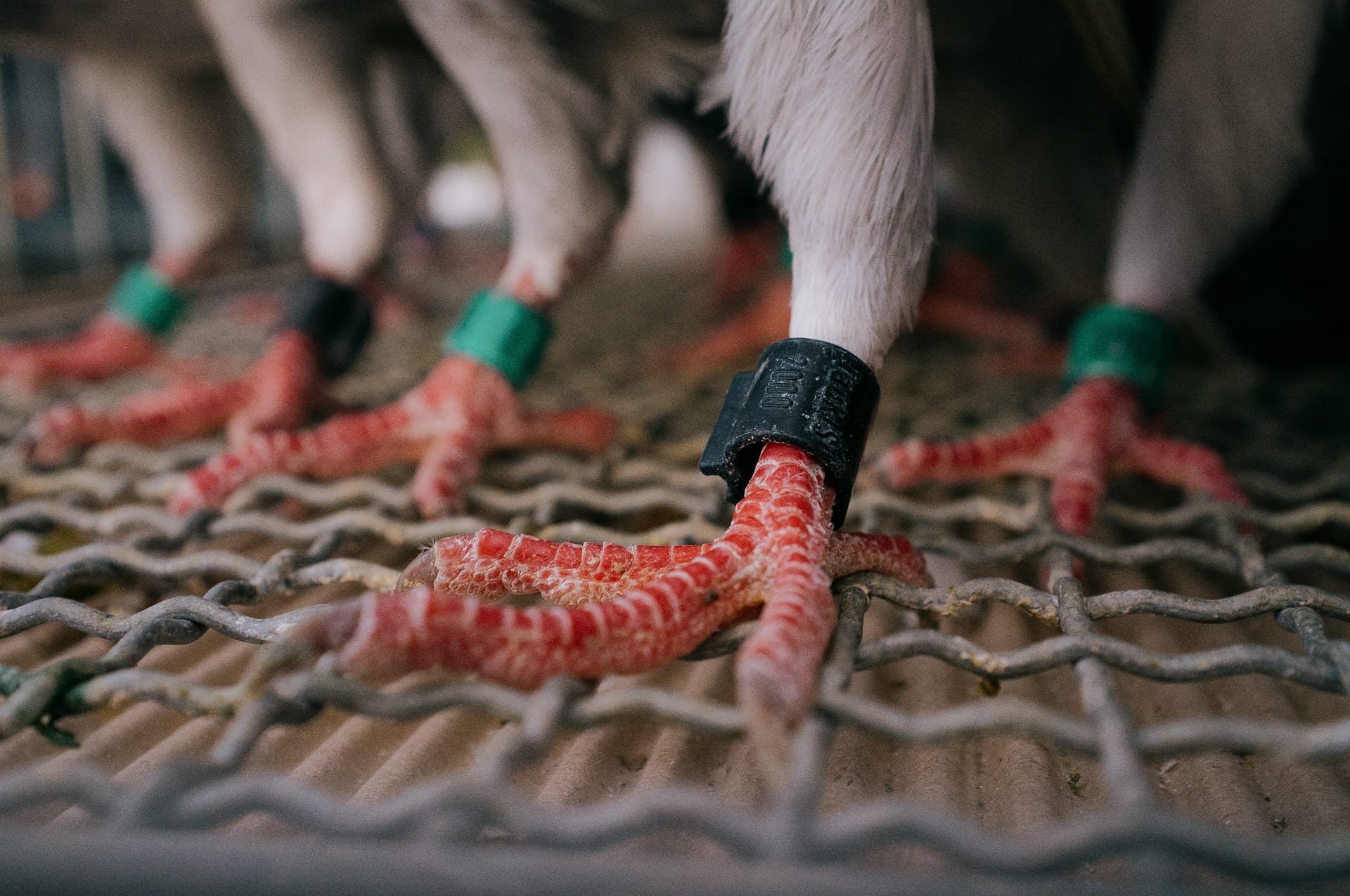
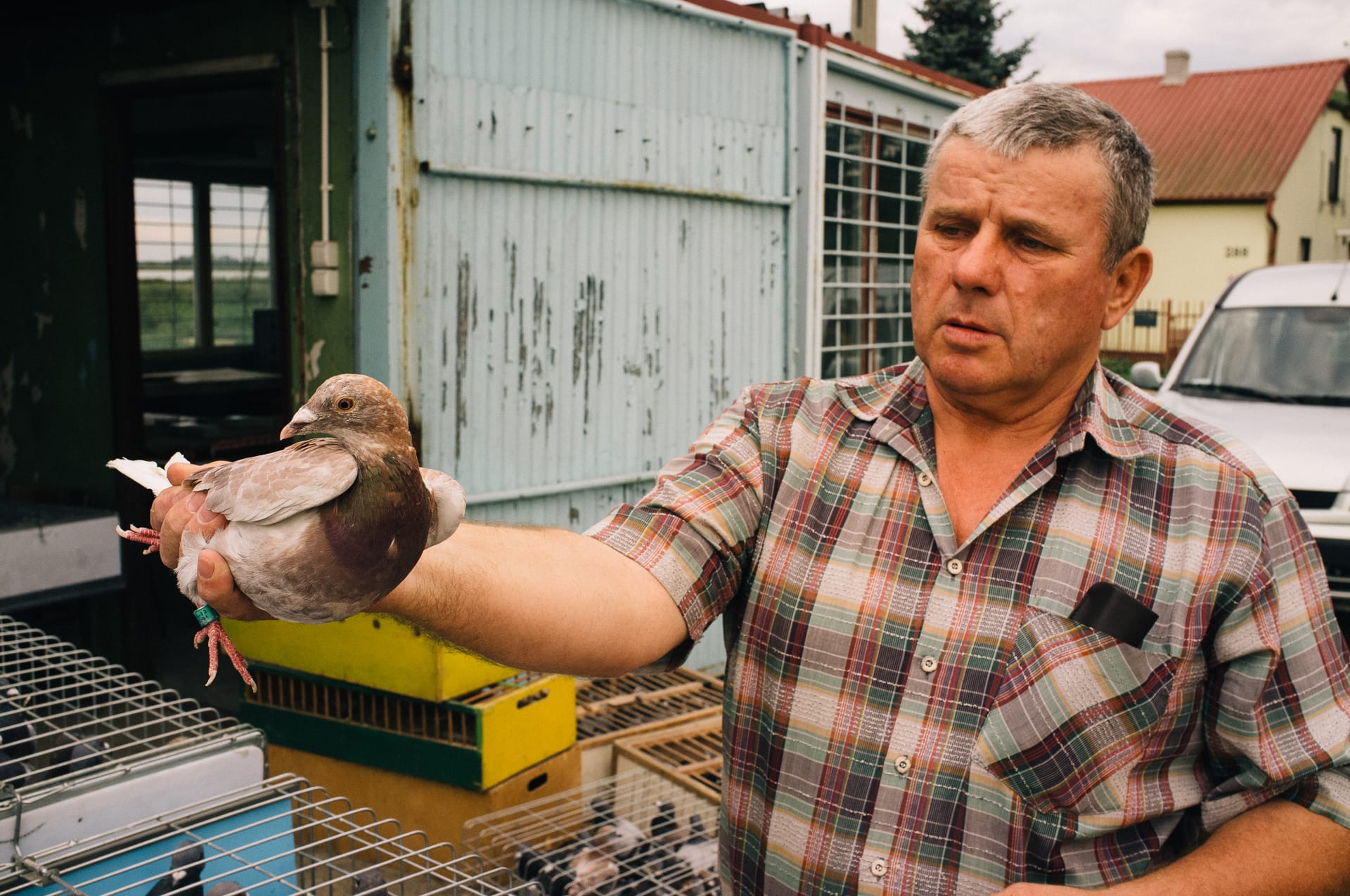
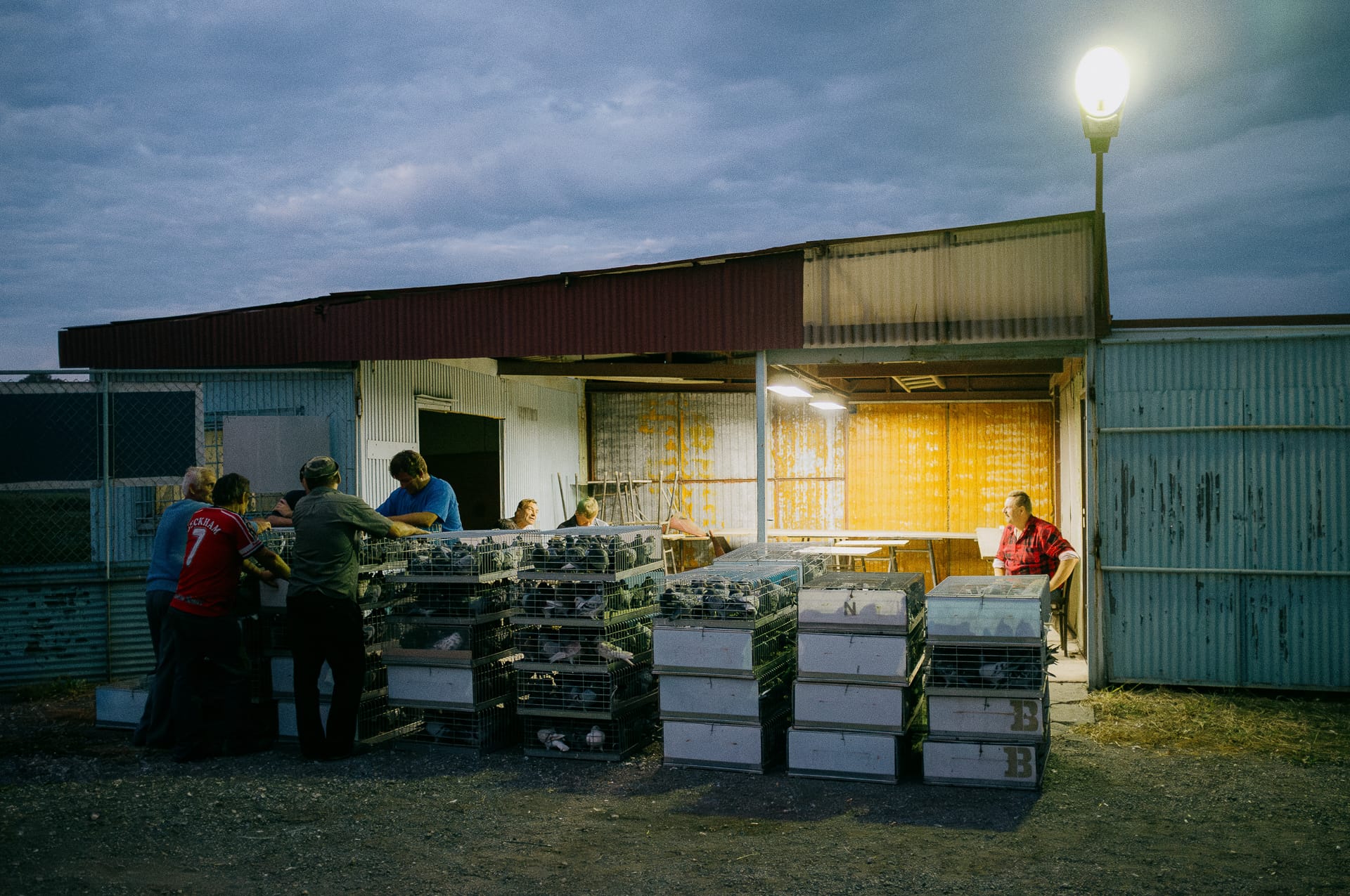
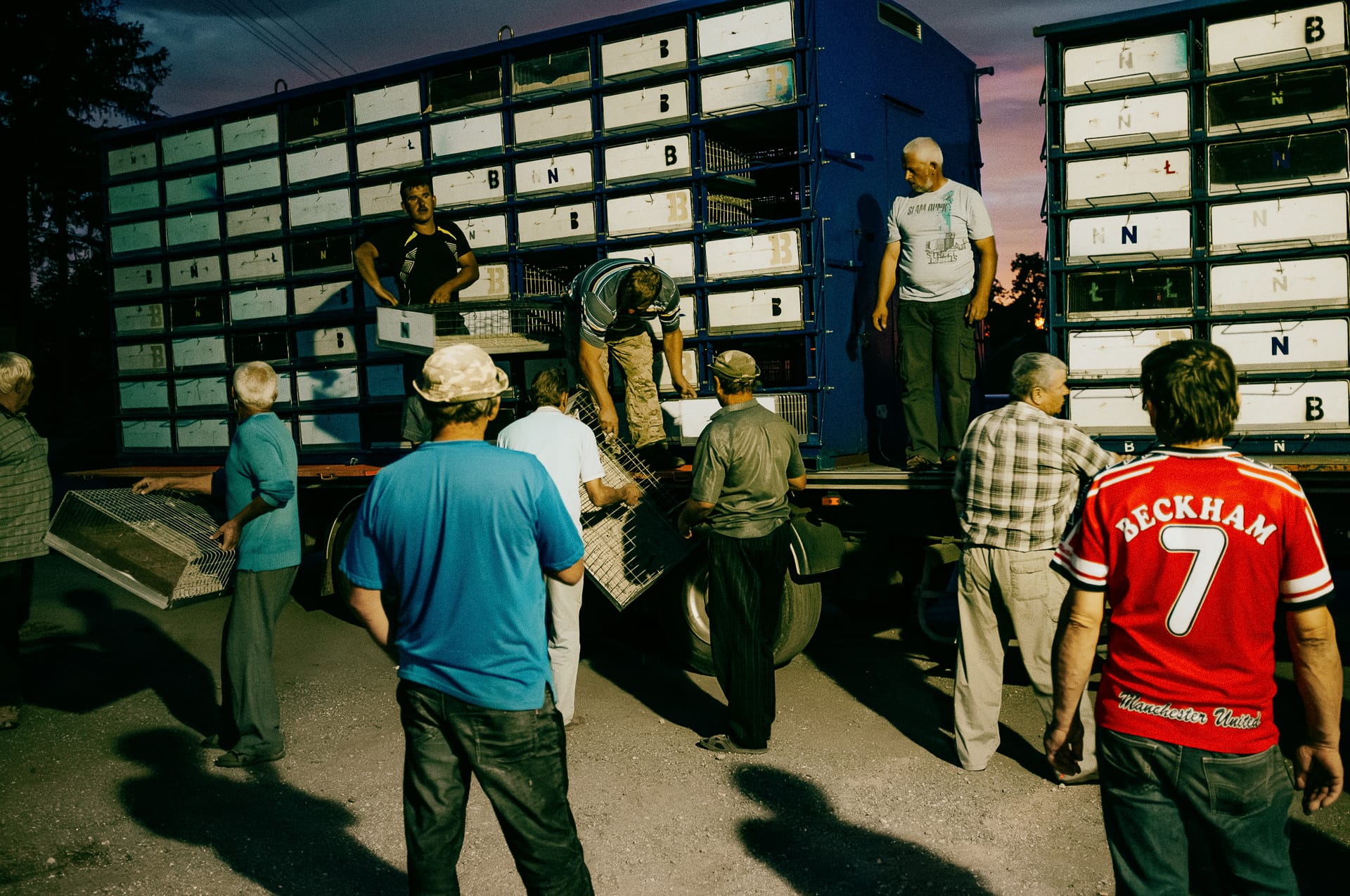
I had a great time talking to the rest of the breeders. They were all genuinely happy that someone outside from their circle came to learn about what they do. It took only a couple of minutes for them to completely disregard my camera and carry on with their tasks.
Follow Up
Once I was done with the project, having the photos I wanted. I discovered that my newly made friendships also bore fruit elsewhere. All of a sudden, I was the inside guy everywhere else. I could take photos during community events, holiday celebrations, etc, and no one would ever be bothered. Even if there were people asking what I was doing, there would always be someone to explain to them who I was.
So In effect, that simple question about pigeons on the barn, led to me being universally accepted as a photographer in our small local community. It opened the doors to many more interesting projects in the future.
The photos in the homing pigeons project were taken in 2012. Janusz passed away a few years later. His pigeons still sit on the barn.
Till the next one!
Jakub